
Hiring in the EU looks simple until the first payslip is due. Every member state has its own rules on wages, holiday pay, tax withholding and reporting, and mistakes can lead to fines and unhappy employees.
Good preparation is therefore essential, especially for companies that hire across several countries. This article looks at why payroll compliance is so different from country to country and how to keep it under control.
Why Rules Differ Per Country?
There is no single European payroll system. Social security rates, notice periods, minimum holiday and rules on working time are set nationally.
Some countries require monthly filings, others quarterly. Even basic items such as the payslip format and the way holiday pay is calculated can differ. A process that works in one country cannot simply be copied to another.
Language is a factor too. Official forms, tax portals and employment contracts are usually in the local language, and terms do not always translate directly. This makes it hard for a central finance team to keep track of what each country requires.
Payroll in the Netherlands
In the Netherlands, running Payroll Netherlands means following strict deadlines and detailed legislation, which differ from those in neighbouring countries.
Employers must withhold wage tax and social contributions, file periodic returns, provide payslips and apply collective agreements where they are relevant. Holiday allowance, sick pay and pension schemes may add further obligations depending on the sector and the contract.
Sick pay is a good example. Dutch employers are generally required to continue paying a sick employee for a long period and to support their return to work. Companies that are used to a different system need to plan for this, both financially and organisationally.
Common Mistakes to Avoid
Typical errors include misclassifying employees as freelancers, missing filing deadlines, applying the wrong tax rate and overlooking sector rules.
Each of these can cause back payments and penalties, and they are costly to correct. Mistakes also damage trust: employees who receive a wrong payslip or a late salary quickly lose confidence in their new employer.
ICS Payroll supports employers by running salaries and filings according to local requirements, so international teams stay compliant and employees are paid correctly and on time. A local party also notices changes in legislation early and adapts the process before they take effect.
It also helps to keep a central overview of all countries in which the company employs people.
A simple table with filing dates, contact persons and local requirements prevents deadlines from being missed, and it makes onboarding of a new country easier because the next team can build on what is already documented.
How to Choose a Payroll Partner Across Countries?

Companies that hire in several EU countries often wonder whether to use one international provider or several local ones. The answer depends on size and complexity, but a few criteria apply in both cases.
First, check local expertise: does the provider run payroll in the country itself, or does it pass the work on to another party? Direct knowledge shortens response times and reduces mistakes.
Second, look at reporting and transparency. A good partner delivers clear payroll reports, explains costs per employee and warns early about changes in rules.
Third, consider data protection. Payroll contains sensitive personal information, so ask how data is stored, who has access and how the provider complies with European privacy rules.
Finally, think about scalability. A provider that works well for five employees should still be able to support fifty, in more than one country, without a complete change of process.
Ask for references from companies in a similar situation and for a clear description of how onboarding of a new country works. A short pilot in one country is often a good way to test the cooperation before the whole structure is moved.
Building a Compliant Process
A reliable setup combines clear ownership, a calendar of deadlines and access to local expertise.
Document who is responsible for each step, from collecting employee data to approving the payroll run, and check the output regularly. Review the process whenever a new country is added or the rules change.
Companies expanding abroad should therefore choose a provider of Employer of record services in the Netherlands that knows the local rules, rather than learning them the hard way.
With the right partner, hiring in the EU becomes a repeatable process instead of a recurring risk.

More in Finance & Tax

Why Gold Remains an Important Asset in Global Financial Markets?
Central banks bought 321 tonnes of gold in Q3 2026 despite falling prices. Here’s why gold still matters to global markets and UK savers. Central banks added a net 321 tonnes of gold to their reserves in the third quarter of 2026, according to the World Gold Council, the highest quarterly total since late 2024. […]
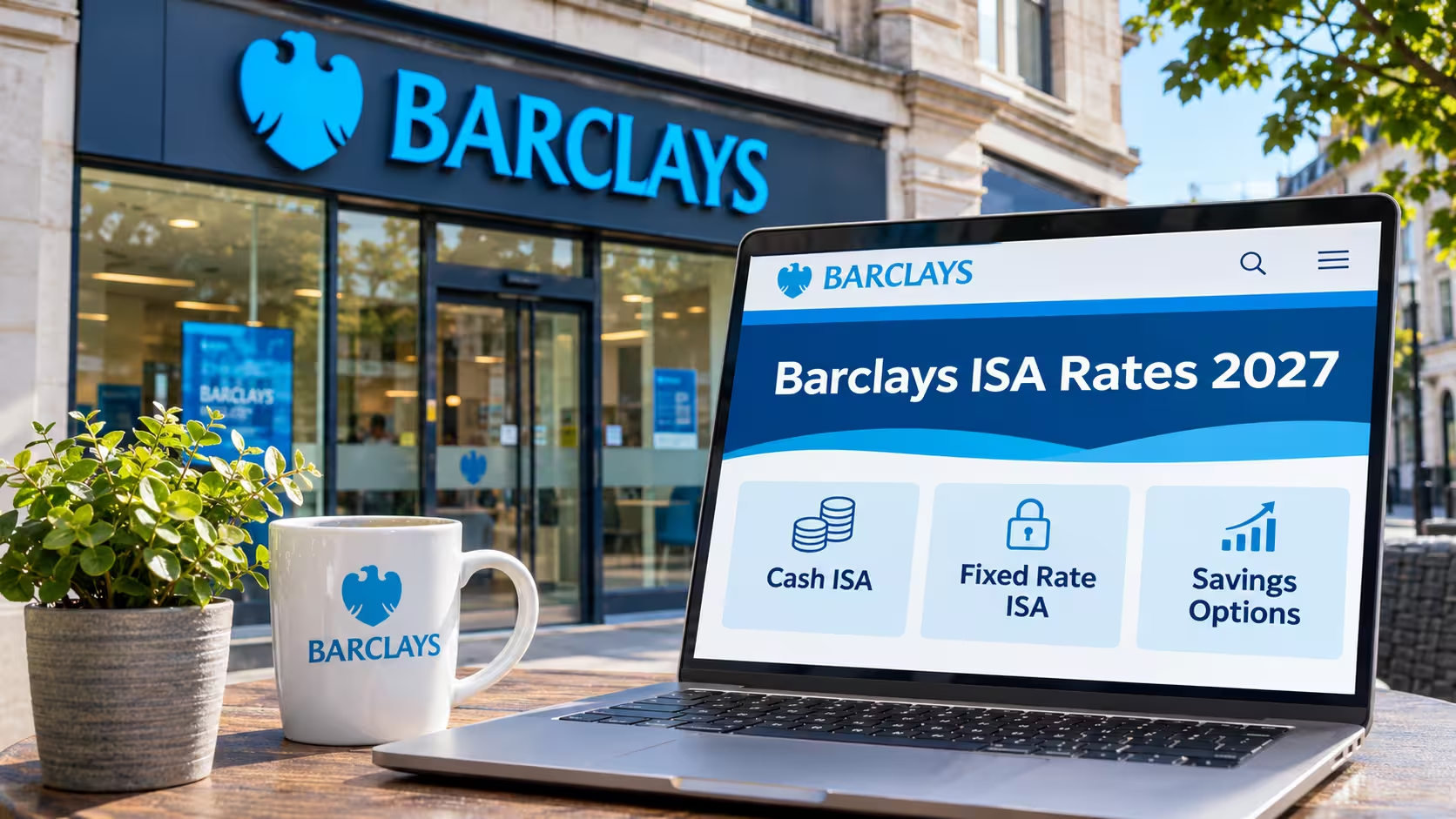
Barclays ISA Rates 2027: Latest Cash ISA Interest Rates, Fixed Deals and Savings Guide
Barclays ISA rates currently range from 1.00% to 4.81% AER, depending on the Cash ISA product, account eligibility and withdrawal conditions. The bank’s Premier Triple Access fixed-rate ISAs offer some of its highest published returns, while the Reward ISA and Instant Cash ISA provide greater access to savings. For people planning their finances in 2027, […]