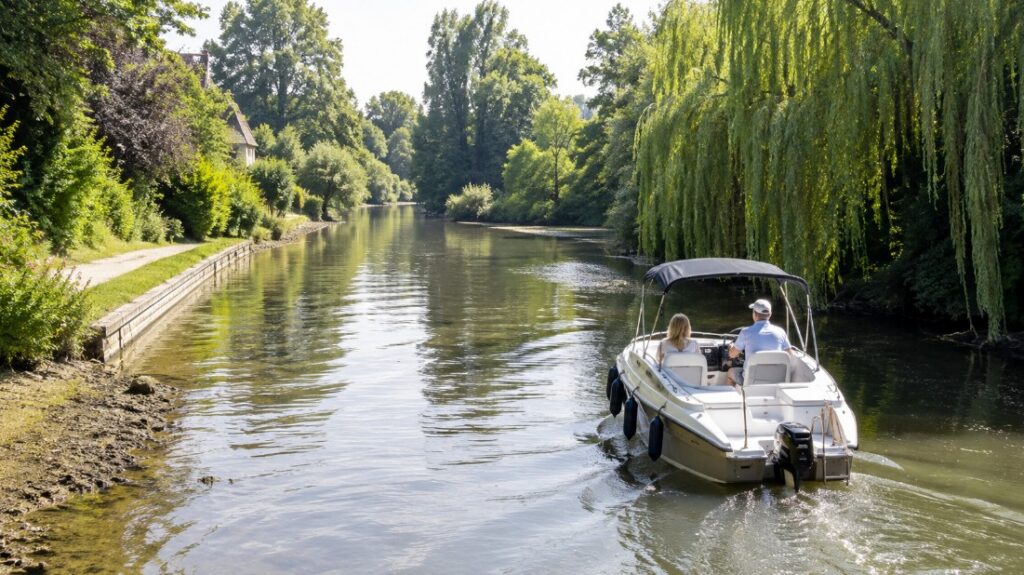
The Thames river drought business impact is becoming increasingly visible as falling water levels disrupt boating activity and place pressure on tourism operators.
Greg Wheeler, owner of Cotswold Boat Hire near Oxford, has warned that the business could be only weeks away from a “dire situation” unless substantial rainfall reaches the area. Low river levels are already discouraging customers from taking boats out because of concerns that vessels could become stuck.
The family-run company operates near Buscot Lock on the upper River Thames, offering small electric boats, day cruisers and holiday vessels. It has operated along this stretch of the river for more than 35 years, making reliable navigation conditions central to its income.
Low Water Levels Create Commercial Risks
For river-dependent businesses, the immediate problem is not simply the appearance of a shallower river. Operators may face fewer bookings, restricted routes, additional safety checks and possible cancellations if boats can no longer navigate comfortably.
Customers may also postpone visits because of uncertainty over whether their planned journey can go ahead. This could have a wider effect on local pubs, accommodation providers, restaurants and visitor attractions that benefit from boating tourism along the Thames.
The Environment Agency officially moved the Thames Valley and London into drought status on 29 July 2026 following exceptionally low rainfall and sustained high temperatures. More than half of England was placed in drought, with officials reporting low rivers, pressure on agriculture and increasing restrictions on water use.
Environment Agency figures had already shown weakening conditions in June. River flows fell at 13 of 15 monitoring sites across the Thames area, while readings at Windsor and Kingston were classed as exceptionally low for the time of year.
Businesses Await Sustained Rainfall
Although short periods of rain may provide temporary relief, river operators require sustained rainfall across the catchment to restore flows meaningfully.
The situation illustrates how drought can affect businesses beyond farming and water supply. Tourism, leisure boating, hospitality and other companies relying on healthy waterways may all face reduced trade if dry conditions continue through the remainder of the summer.

More in UK Business News
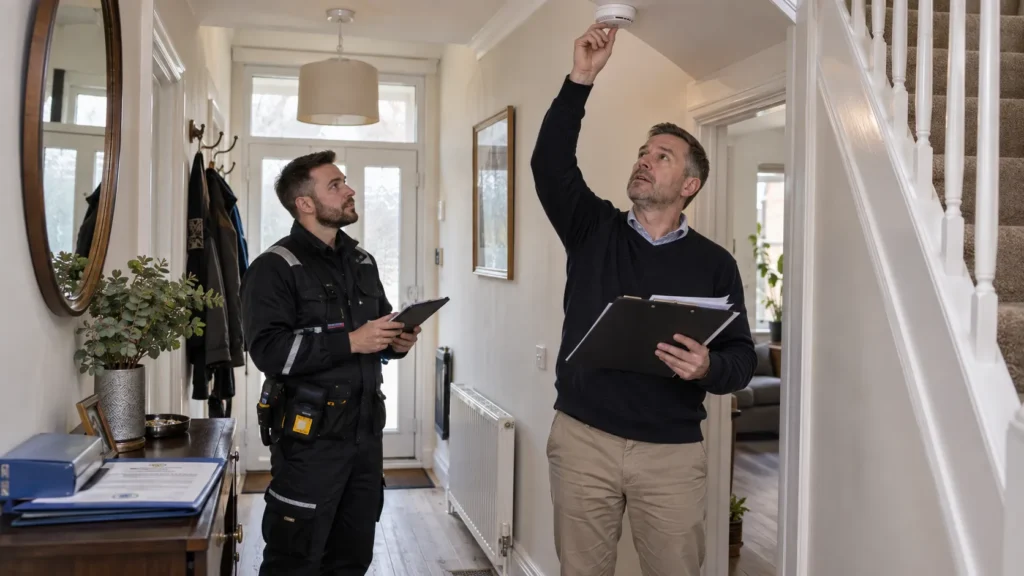
How to Keep a Rental Property Business Legally Compliant?
Keeping a rental property business legally compliant in 2026 means following the rules that apply where the property is located, completing required safety checks, protecting deposits correctly, using appropriate tenancy documentation and maintaining accurate tax and compliance records. Safety obligations should be managed proactively. Where a property contains relevant gas appliances, landlords should arrange the […]
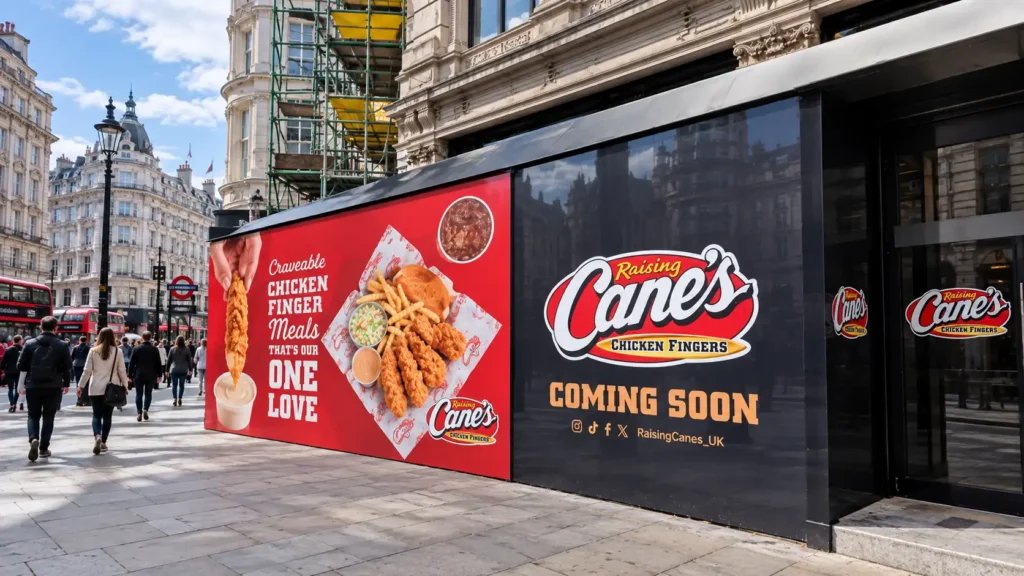
Raising Cane’s UK: When Is It Coming to the UK and Where Will It Open?
Raising Cane’s is officially coming to the UK, with its first British restaurant scheduled to open in Piccadilly Circus, London, in early 2027. The American chicken chain has confirmed that its UK flagship will occupy 21–22 Coventry Street, between Piccadilly Circus and Leicester Square. More restaurants are expected to follow around The Strand, Oxford Circus […]